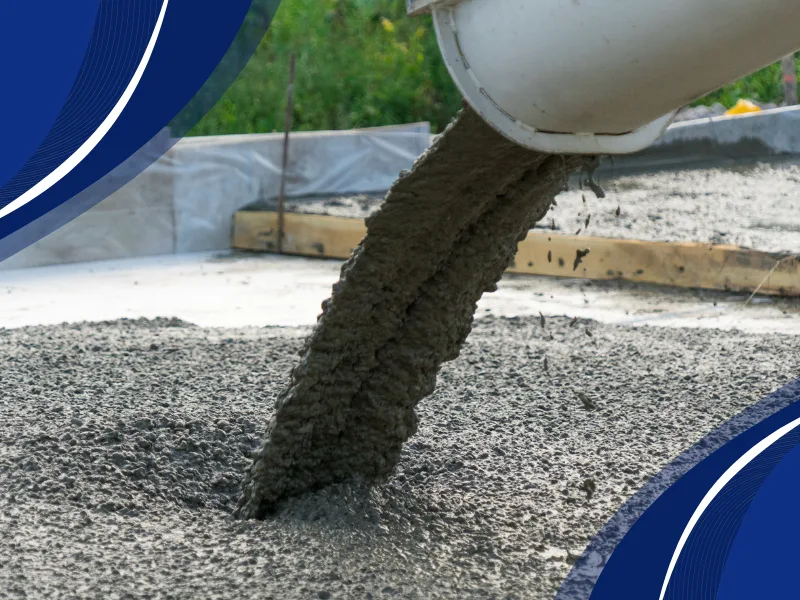

Concrete is the backbone of India’s construction boom. From metro lines and highways to high-rises and smart cities, it holds everything together. But it also comes with an environmental cost. Traditional methods of mixing and using concrete often lead to material waste, dust pollution, and inefficient use of resources.
As India pushes towards greener infrastructure and climate-conscious development, the construction industry is under growing pressure to build more responsibly. Ready-Mix Concrete (RMC) is emerging as a powerful ally in this shift-not just for its consistency and speed, but for its ability to support more sustainable construction practices.
Why Sustainability Matters More Than Ever
India is one of the fastest urbanizing countries in the world. That means more buildings, more infrastructure, and more demand for concrete. But it also means more heat islands, more construction waste, and higher energy consumption unless better methods are adopted.
Environmental certifications like IGBC, GRIHA, and LEED are no longer limited to marquee projects. Public and private sector developers are increasingly aiming for them—and looking for materials that make compliance easier. RMC, when used right, can help reduce a project’s footprint significantly.
How RMC Supports Sustainable Construction Goals
RMC’s sustainability value lies in its precision, control, and adaptability. Unlike traditional site mixing, which depends heavily on manual processes and fluctuating quality, RMC is produced in centralized plants where every batch is optimized for resource use and performance. This allows for a range of environmental gains across the construction lifecycle.
1. Reducing Material Waste
RMC is produced in batching plants using automated systems that ensure precise measurement. Only what’s needed is mixed and delivered. There’s no overuse of cement, aggregates, or water. This helps cut down waste drastically compared to on-site mixing, where excess material often ends up discarded.
2. Cleaner and Safer Construction Sites
On-site mixing requires space to store raw materials, generates dust, and creates clutter. RMC eliminates the need for storage and manual mixing. Less dust means safer air for workers and less mess for neighboring areas. It also reduces the risk of accidents from poor site organization.
3. Smarter Water Use
Water is a key ingredient in concrete. RMC plants often use recycling systems to treat and reuse water during the batching process. This conserves water—especially important in water-stressed regions where every litre counts.
4. Lower Carbon Impact Through Efficiency
RMC supports faster project execution. With fewer delays, reduced rework, and tighter scheduling, overall energy consumption on-site drops. When combined with optimized transportation planning, this can lower the carbon footprint of an entire project lifecycle.
5. Green Mix Customization
RMC allows for the use of alternative materials like fly ash, slag, and recycled aggregates. These not only reduce the demand for virgin materials but also make use of industrial byproducts that would otherwise go to waste. Custom mixes can be designed to meet specific green building norms without compromising strength.
RMC and Green Certifications
Certifications like IGBC, GRIHA, and LEED look at factors like energy efficiency, resource use, and pollution control. RMC helps projects meet many of these benchmarks.
- Automated batching ensures traceable data and quality control.
- Cleaner sites support better indoor air quality and site management scores.
- Custom mixes with eco-friendly additives contribute directly to material credits.
RMC also simplifies documentation. When every batch is digitally tracked and tested, it’s easier to provide the evidence required for certification audits.
What’s Holding Back Wider Adoption?
Despite the clear sustainability advantages, not all RMC plants follow green practices. Some still operate with outdated systems, waste water, or don’t optimize deliveries. Cost perception also plays a role. Green mixes are seen as more expensive – even if they offer long-term savings and environmental value.
Smaller contractors may not be aware of how RMC contributes to certification goals. Many still see sustainability as a big-budget concern, not a daily site reality.
How to Scale Sustainable RMC Practices in India
- Standardize green mix specifications across projects and geographies
- Offer training programs for site engineers and procurement teams
- Recognize and incentivize certified RMC plants through tax or policy benefits
- Encourage public sector projects to mandate RMC with sustainability criteria
- Promote industry partnerships to share innovations, reduce costs, and raise awareness
Conclusion: Building Responsibly, Building for the Future
RMC isn’t just helping India build faster – but it’s helping it build smarter. When combined with conscious design and planning, RMC can significantly reduce a project’s environmental impact without compromising performance. As the demand for sustainable infrastructure continues to grow, RMC’s role will only get stronger.