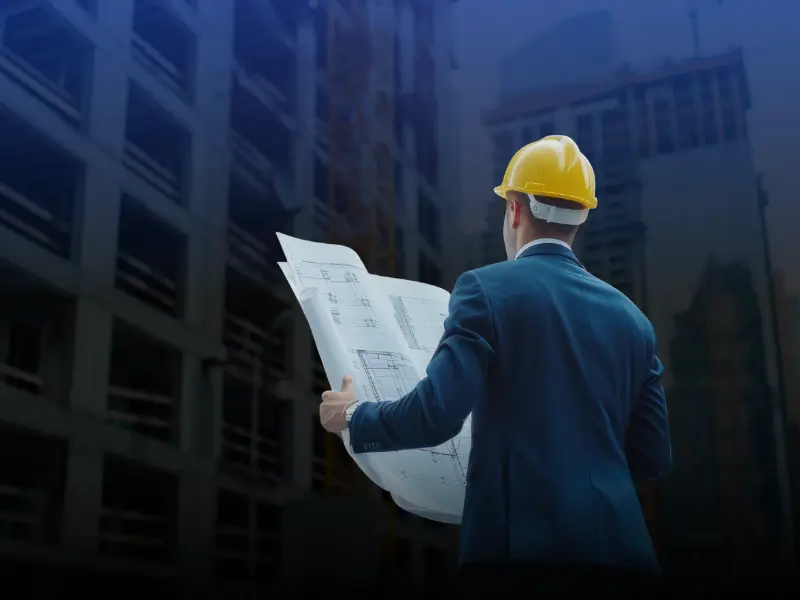

Building in India’s emerging cities isn’t what it used to be. Tier-2 and Tier-3 markets are no longer playing catch-up, they’re setting the pace. Residential complexes, hospitals, commercial hubs, and industrial parks are springing up at significant speed. But with opportunity comes complexity: fragmented contractor ecosystems, inconsistent quality, unpredictable timelines, and ballooning costs.
For developers, the challenge isn’t just building fast- it’s building smart. And that’s where turnkey construction steps in.
Why Turnkey Projects Are Gaining Ground
In metro cities, turnkey delivery has long been the go-to model for speed, accountability, and reliability. Now, this proven approach is expanding into India’s smaller cities, offering developers a way to scale without chaos.
Turnkey projects consolidate responsibility under one roof- from design and approvals to procurement, construction, and final handover. The result? Fewer delays, tighter budgets, and a ready-to-use facility that developers can “turn the key” on, without juggling multiple vendors or firefighting execution issues.
Key Advantages:
- Single-point accountability: One team manages everything, reducing coordination headaches.
- Predictable timelines and budgets: Costs and schedules are locked upfront, minimizing surprises.
- Quality assurance: Standardized processes and experienced teams ensure consistent results.
In short, turnkey isn’t just a delivery model, it’s a strategic enabler for developers navigating India’s fast-changing urban landscape.
Why Turnkey Projects Are Expanding into Tier-2 and Tier-3 Cities
The success of turnkey projects in metro hubs has encouraged developers to explore emerging markets. Several factors are driving this expansion:
1. Rising Housing Demand
- Tier-2 and Tier-3 cities are witnessing a surge in residential and commercial construction.
- Developers need turnkey solutions to deliver quality projects quickly and reliably.
2. Growing Middle-Class Population
- With rising incomes, more people are looking for modern housing, retail spaces, and workplaces.
- Turnkey projects help developers meet this demand without compromising timelines or quality.
3. Government Initiatives and Infrastructure Boost
- Projects like DMIC, Bullet Train, Bharatmala, Sagarmala, UDAN, and metro expansions are improving connectivity and urban development.
- Such initiatives make smaller cities attractive for large-scale developments, where turnkey solutions ensure smooth execution.
4. Lower Land and Operational Costs
- Land and labor costs in smaller cities are more competitive compared to metros.
- Turnkey delivery helps developers lock budgets and streamline operations, maximizing efficiency.
5. Mega Infrastructure and Commercial Projects
- Large infrastructure developments are creating demand for ancillary commercial hubs, industrial parks, and residential projects.
- Turnkey projects allow developers to manage complex, multi-faceted builds with a single point of accountability.
6. Improved Logistics and Supply Chains
- Better connectivity and regional supply chains make turnkey delivery feasible outside metros.
- Developers can maintain quality standards while reducing delays and coordination issues.
These factors together are making Tier-2 and Tier-3 cities fertile ground for turnkey projects, enabling developers to replicate metro-level efficiency and quality in emerging markets.
Challenges in Turnkey Expansion to Tier-2 and Tier-3 Cities
While the turnkey model offers immense promise, its expansion into smaller cities isn’t without hurdles. Developers and contractors must navigate a new terrain- one that demands adaptation, empathy, and strategic foresight.
1. Local Contractor Ecosystem
Many Tier-2 and Tier-3 cities lack a mature ecosystem of skilled subcontractors and vendors. Turnkey firms often need to invest in training, onboarding, and quality control to maintain standards.
2. Regulatory Complexity
Land approvals, municipal clearances, and building codes vary widely across regions. Navigating these inconsistencies requires strong local partnerships and proactive engagement with authorities.
3. Supply Chain Gaps
While logistics have improved, certain materials and technologies may still face delays or cost fluctuations in remote areas. Turnkey teams must build resilient procurement strategies that balance central sourcing with local adaptability.
4. Client Education
In emerging markets, clients may be unfamiliar with turnkey delivery. Building trust and clearly communicating the benefits- especially around cost predictability and accountability, is key to adoption.
5. Cultural and Design Sensitivities
Standardized solutions don’t always fit local expectations. Turnkey firms must tailor designs to regional aesthetics, climate conditions, and cultural norms to ensure relevance and acceptance.
Conclusion: Building the Future, One Key at a Time
Tier-2 and Tier-3 cities aren’t just expanding, they’re evolving.
As aspirations rise and infrastructure catches up, turnkey construction offers a way to build smarter, faster, and more sustainably. This isn’t about replicating metro models- it’s about reimagining them for India’s diverse, dynamic heartland. Turnkey projects bring more than efficiency; they bring empowerment. They allow developers to focus on vision while leaving execution to trusted hands. As India’s growth story moves beyond the metros, turnkey construction is poised to be one of its most powerful enablers.
The key is in our hands, now it’s time to turn it.