
Introduction
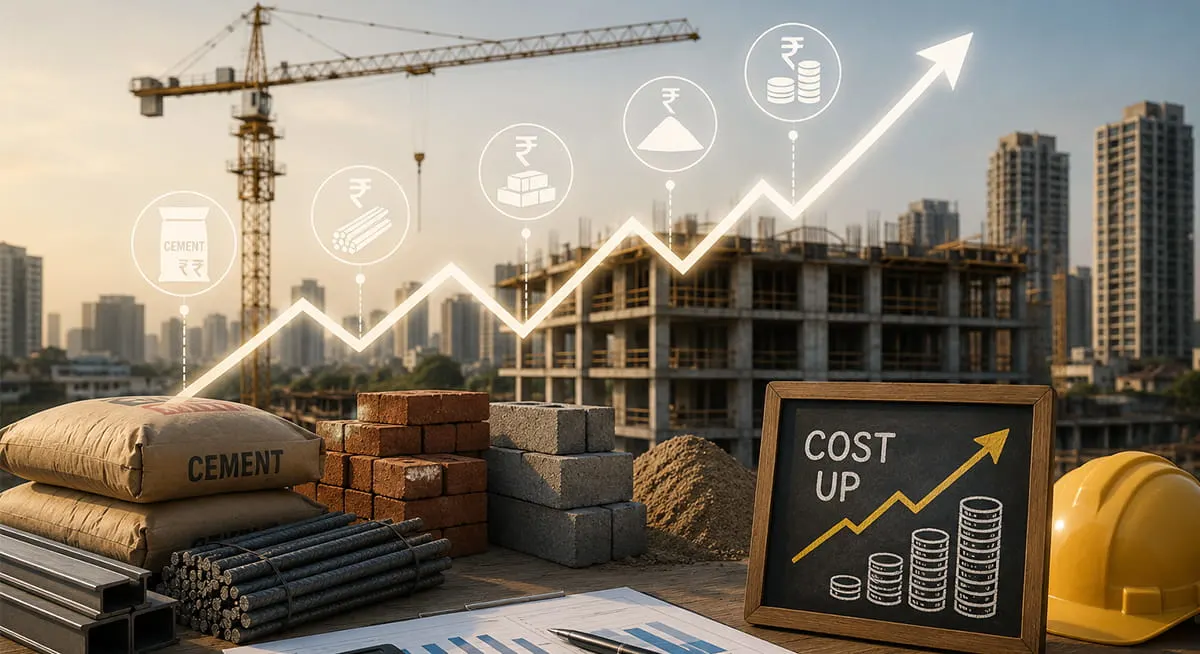
The construction industry in Gujarat has witnessed significant growth over the past few years, driven by infrastructure projects, industrial expansion, commercial developments, and residential construction. However, alongside these opportunities, contractors and building material vendors are facing a major challenge—rising construction material prices.
The increasing costs of cement, steel, PVC pipes, aluminium, aggregates, fuel, and transportation have made it difficult for contractors to maintain healthy profit margins while remaining competitive in the market.
If you’re a contractor, builder, developer, or construction material supplier in Gujarat, understanding market trends and adopting smarter procurement strategies can help you minimize the impact of price fluctuations.
Why Are Construction Material Prices Rising in Gujarat?
Several factors are contributing to the increase in construction material costs:
Common precast products include:
- Higher raw material prices
- Increased transportation and logistics expenses
- Fluctuations in fuel prices
- Strong demand from infrastructure and industrial projects
- Supply chain disruptions
- Seasonal demand during peak construction periods
Large-scale infrastructure developments across Gujarat continue to create strong demand for building materials, putting additional pressure on supply and pricing.
Construction Materials Experiencing Price Increases
1. Cement
Cement remains one of the biggest cost components in construction. Price revisions by manufacturers and increasing production costs directly affect project budgets.
Impact on contractors
- Higher foundation and RCC costs
- Increased finishing expenses
- Reduced project profitability
2. Steel (TMT Bars & Structural Steel)
Steel prices often fluctuate based on global and domestic market conditions.
Challenges:
- Increased structural costs
- Budget overruns
- Difficulty in fixed-price contracts
3. PVC Pipes & Plumbing Materials
PVC products are closely linked to crude oil prices, making them vulnerable to frequent price changes.
These increases affect:
- Plumbing work
- Drainage systems
- Irrigation projects
- Commercial buildings
4. Aluminium
Aluminium is widely used in:
- Windows
- Curtain walls
- Doors
- Commercial facades
Even a small increase can significantly impact large commercial projects.
5. Electrical & Finishing Materials
Contractors are also seeing price increases in:
- Electrical cables
- Switches
- Lighting products
- Waterproofing chemicals
- Paints
- Adhesives
Although each product may represent a smaller portion of the budget, together they can substantially increase overall project costs.
How Rising Material Prices Affect Contractors
Increasing material costs create several business challenges:
- Lower profit margins
- Delays in project completion
- Budget revisions
- Client disputes
- Cash flow pressure
- Increased working capital requirements
Without proactive planning, even profitable projects can become financially challenging.
Smart Procurement Strategies for Contractors
1. Plan Material Purchases Early
Avoid buying materials at the last minute.
Early procurement can help:
- Lock in better prices
- Ensure availability
- Prevent project delays
2. Compare Multiple Suppliers
Never rely on a single supplier.
Request quotations from multiple vendors and compare:
- Pricing
- Delivery schedules
- Product quality
- Payment terms
- After-sales support
Building relationships with reliable suppliers can also improve pricing over time.
3. Purchase in Bulk When Possible
Bulk purchases often provide:
- Better pricing
- Lower transportation costs
- Consistent supply
However, balance bulk buying with proper storage to avoid material damage or unnecessary inventory costs.
4. Monitor Market Trends
Material prices can change monthly or even weekly.
Regularly monitor:
- Cement prices
- Steel market trends
- Fuel costs
- Local supplier updates
Better market awareness helps contractors make informed purchasing decisions.
Tips for Vendors to Manage Inventory During Price Fluctuations
Construction material suppliers also face challenges during volatile markets.
Here are practical ways to stay competitive:
Maintain Balanced Inventory
Avoid both overstocking and understocking.
A balanced inventory reduces financial risk while ensuring materials remain available for customers.
Improve Demand Forecasting
Use historical sales data and seasonal demand patterns to predict future requirements.
This helps reduce unnecessary inventory costs.
Build Strong Supplier Relationships
Working with multiple manufacturers and distributors provides:
- Better negotiation opportunities
- Faster deliveries
- Reduced supply risks
Use Inventory Management Software
Digital inventory systems help vendors:
- Track stock levels
- Monitor fast-moving products
- Prevent shortages
- Improve purchasing decisions
Contract Tips Before Starting a Construction Project
Before signing any construction agreement, contractors should consider including:
Price Escalation Clauses
These clauses help account for significant increases in material prices during long-term projects.
Material Specifications
Clearly define:
- Brands
- Grades
- Quality standards
- Approved alternatives
This reduces disputes during execution.
Payment Milestones
Align payment schedules with material procurement to improve cash flow.
Contingency Budget
Maintain a contingency fund to manage unexpected cost increases without disrupting project progress.
Technology Can Help Reduce Procurement Costs
Digital procurement platforms are becoming increasingly popular in the construction industry.
These platforms help contractors:
- Compare supplier prices
- Request multiple quotations
- Find nearby vendors
- Track orders
- Improve purchasing efficiency
- Reduce procurement time
For vendors, digital platforms provide greater visibility and opportunities to connect with new customers across Gujarat.
Final Thoughts
Rising construction material prices are becoming a defining challenge for Gujarat’s construction industry. While contractors cannot control market conditions, they can take practical steps to reduce financial risk and improve project profitability.
Planning purchases in advance, comparing suppliers, negotiating better terms, monitoring market trends, and using digital procurement tools can make a meaningful difference. Vendors who maintain efficient inventory practices and build strong customer relationships are also better positioned to navigate changing market conditions.
As Gujarat continues to expand through infrastructure, industrial, and residential development, businesses that adopt smarter procurement and financial planning strategies will be better equipped to stay competitive in a dynamic market.
FAQs:
Prices are rising due to higher raw material costs, transportation expenses, fuel price fluctuations, strong demand from infrastructure projects, and supply chain challenges.
Commonly affected materials include cement, TMT steel, PVC pipes, aluminium, electrical products, paints, waterproofing chemicals, and finishing materials.
Contractors can plan purchases early, compare multiple suppliers, negotiate bulk discounts, monitor market trends, include price escalation clauses in contracts, and use digital procurement tools.
Vendors can maintain balanced inventory, improve demand forecasting, diversify suppliers, and adopt inventory management software to optimize stock levels.